Renovating the whole house is a leadership decision.
A full-home renovation is part construction project, part logistics operation. The right professional brings planning, sequencing and communication: not just tools. Compare your options properly before you hand over the keys.
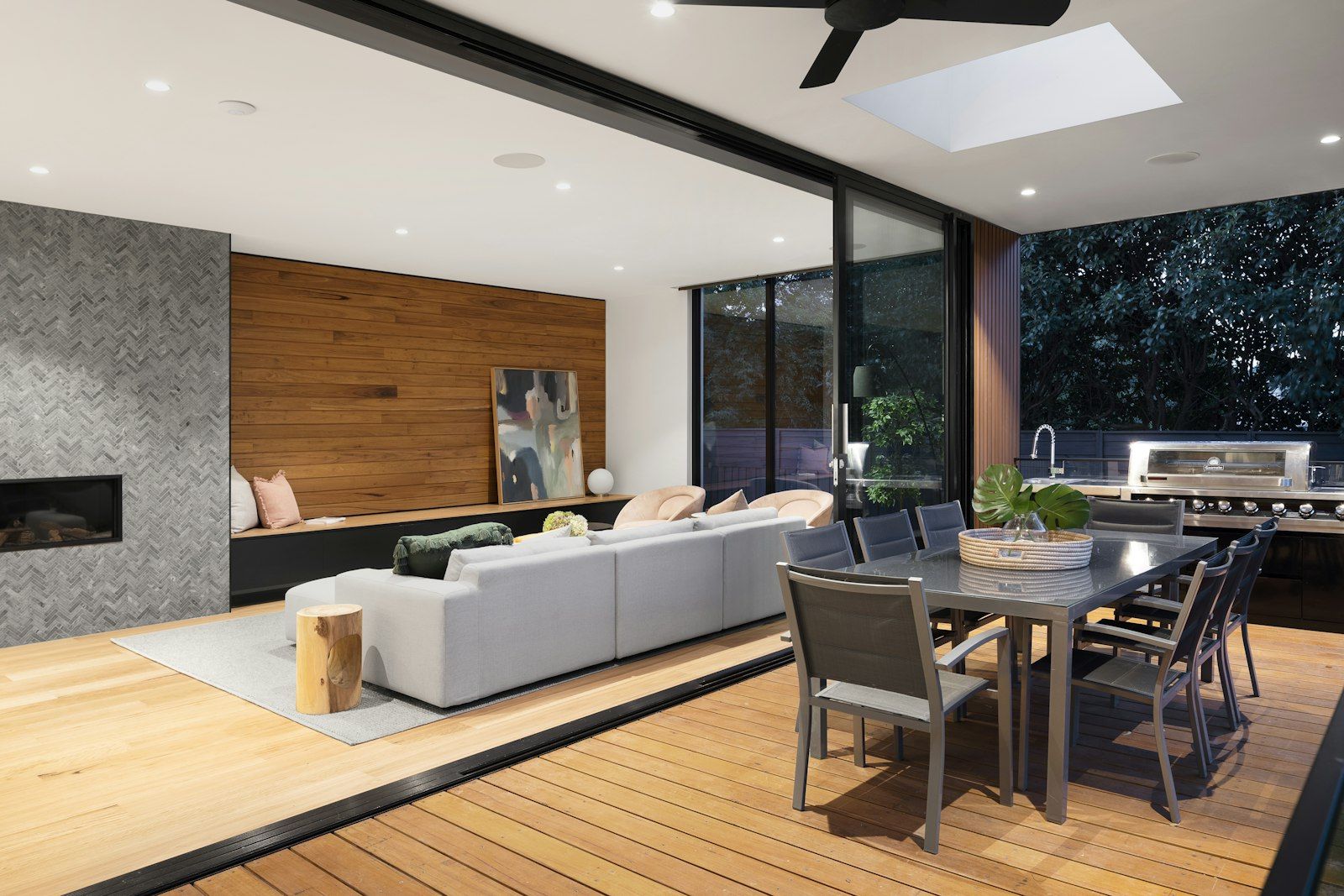
What full-home projects look like
Complete modernization
Every room updated: kitchen, bathrooms, flooring, lighting, trim and paint as one coordinated project.
Main-floor transformation
Open-concept living, new kitchen, relocated stairs or reworked sightlines across the main level.
Older-home renewal
Updating structure, insulation, electrical and plumbing alongside finishes in a home with decades of history.
Phased multi-room projects
Whole-home scope delivered in deliberate phases to match budget or living arrangements.
Planning considerations at this scale
The homeowners who compare best are the ones who arrive informed. This is the short list that matters.
One accountable lead
Whole-home projects need a single professional coordinating trades, schedule and quality. Ask exactly who that person is.
Living arrangements
Decide early whether you will live through it. It changes sequencing, cost and timeline. And belongs in the quote conversation.
Design cohesion
Room-by-room decisions made in isolation produce a house that feels assembled, not designed. Ask how design decisions get coordinated.
Phasing options
If budget is a constraint, ask each professional how they would phase the work. And what that does to total cost.
Contingency
Whole-home projects in older houses uncover surprises. Ask what contingency each professional recommends and how discoveries are priced.
Where full-home renovations go wrong
Every trade affects every other trade
Kitchen, bathrooms, flooring, electrical and paint share one house and one schedule. Coordination is the real job.
Scope drift compounds quietly
"While we are at it" decisions across ten rooms can add more than the original contract. A written scope with a change process is the protection.
Living through it was never planned
Phasing, dust control, water shut-offs and a temporary kitchen decide whether the project feels managed or chaotic.
Design decisions made on site
Selections made mid-demolition cost more and arrive late. The cheapest decision is the one made before work starts.
Common full-home renovation mistakes
Hiring on personality alone
A full-home project runs for months. Compare written scope, communication structure, trade management and references, not rapport.
No single scope document
If each room lives in a different email thread, nothing is enforceable. One scope, one change process, one schedule.
Phasing nobody wrote down
Which rooms happen first, when water goes off, where you sleep: all of it belongs in the plan.
Comparing bids with different depths
A full-home quote can be a number or a document. Only documents can be compared.
What to ask full-home professionals
Bring these questions to every professional who quotes. The quality of the answers tells you as much as the price.
- Who manages the project day to day, and how do we communicate?
- How do you sequence trades across a whole-house scope?
- Can I see how you handled a project of this size before?
- How do you price changes once work has started?
- What warranty do you provide on the full scope?
From project idea to comparable quotes
Submit once. We qualify your project, identify suitable professionals for your area, and you receive quality quote options to compare: scope, approach and fit. Free for homeowners, with no obligation to proceed.