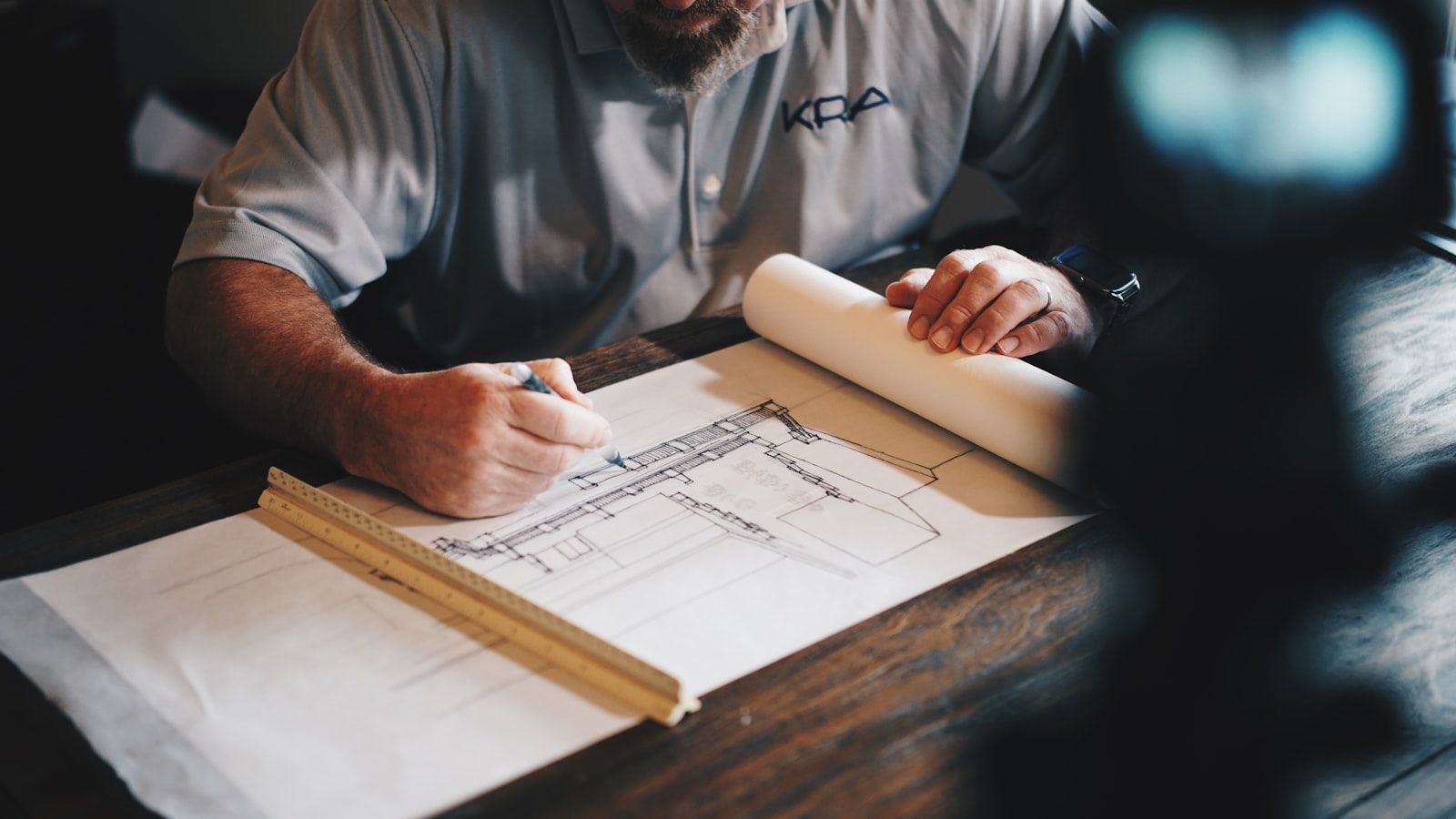
Every renovation (from a powder room to a full home) moves through the same seven stages. What varies is how long each stage takes, and almost all of that variation is predictable once you know the factors. The renovation planning checklist covers the decisions that happen before the clock starts.
This guide gives you the honest sequence. Use it to plan your season, your living arrangements and your expectations. The project planner turns that sequence into a plan of your own.
The seven stages of every renovation
- 01
Planning
Define the project, set priorities, establish a budget range. Days to weeks: entirely under your control, and the cheapest place to be thorough.
- 02
Design & scope
Layouts, materials and specifications become a written scope. Simple projects skip drawings; complex ones need design and possibly engineering.
- 03
Quotes
Professionals price the identical scope. Site visits, questions and revisions take weeks. This stage rewards patience.
- 04
Contractor selection
Normalize, compare, verify and sign. Fast once quotes are comparable, slow if scopes were never aligned.
- 05
Preparation
Ordering materials, scheduling trades, permit applications where applicable, and emptying the space. Lead times quietly dominate this stage.
- 06
Construction
Demolition to finishes. The visible stage. And the one all previous stages exist to protect from surprises.
- 07
Inspection & completion
Walkthrough, deficiency list, final payments, warranty documents. Small stage, large protection.
What actually decides your timeline
Nobody can honestly promise a schedule before seeing your project. These are the factors that move it, ask each professional how each applies to yours.
- Scope. A refresh and a transformation are different calendar species
- Project complexity: structural work, moved plumbing and custom details add stages
- Materials: cabinet, counter and fixture lead times define schedules more than labour does
- Material and product availability, backorders stall finished projects
- Property conditions, discoveries in older homes add unplanned work
- Contractor scheduling, strong professionals book out; start the conversation early
- Approvals and permits: where applicable, municipal timelines are their own stage
How to keep your project moving
- Make finish decisions before construction starts, not during
- Order long-lead items as early as the agreement allows
- Respond to questions and decisions quickly
- Keep changes rare, written and priced before they happen
- Plan living logistics so the crew works unobstructed
A note on the seasons
Exterior and structural work follows the weather; interior work follows the calendar. Spring and summer books fastest for everything, starting quotes in late winter is how fall projects happen on time.
The only timeline promise worth trusting
A written schedule with assumptions attached: lead times, milestones and what happens when something slips. Ask for it from every professional who quotes you.
Common questions
How long does a renovation actually take?
What stage do homeowners underestimate most?
Can a renovation be rushed?
When should I request quotes for a spring project?
Next step
Put real numbers on the plan.
Submit your project once. We qualify it, identify suitable professionals in your area, and you compare quality quote options: free for homeowners, no obligation.